Espresso machines
How to Dial In Espresso on a Home Machine
Start from your maker's numbers, change one thing, weigh the shot.
Assessment based on manufacturer documentation and independent published sources; we have not physically tested these products.
By Syed Hyder Ali · Updated · How we research
In short
How to dial in espresso: change one thing at a time until a weighed shot lands in your maker's window. Check your basket first: Breville's blog starts at 18-22 g, but its 54 mm 2-cup basket is rated 16-19 g, and Gaggia states about 14 g for a double. Shot too fast: grind finer. Too slow: grind coarser.
Worked example
- Machine and basket
- Bambino Plus, 2-cup single-wall (16-19 g)
- Dose
- 18 g, inside the basket's rating
- Target yield
- 1:2, so 36 g
- Window
- Breville's 25-30 s
Shot 1: 18 g in, 36 g out in 21 s. That is under 25 s, so grind finer and keep the dose. Shot 2: 18 g in, 36 g out in 27 s, inside the window.
27 seconds for 36 g from 18 g
Illustrative numbers, not a measured shot. The times are made up to show the order of moves. Breville's blog gives the 1:2 ratio and the 25-30 s window; the dose is chosen inside the 16-19 g its book rates for this basket, where the blog's own 20 g example would not fit. One change per shot, timed again each time.
Assumptions and exclusions
This assumes
- A portafilter machine with a single-wall basket
- A scale in grams and a timer
- Freshly ground beans with a roasted-on date
- A burr grinder, or one built into the machine
This does not cover
- Dual-wall and crema perfetta baskets: read the basket guide first
- Impress and Oracle Jet machines, which assist the dose and tamp
- The setting on your grinder
- A recipe of our own, or taste diagnosis
How do you dial in espresso?
You change one variable per shot and compare the result with a target. Breville prints the fullest method of the makers covered here, so the loop below follows it; Gaggia, De'Longhi and CASABREWS print pieces of the same loop, shown in the sections after this one.
- Weigh the dose. The dose is the dry coffee in the basket, in grams.
- Set a target yield from a ratio. Breville's blog calls 1:2 "the golden standard": a 20 g dose gives 40 g of espresso. Weigh the cup instead of reading ounces, because Breville says weight gives a more accurate dose-to-yield ratio than volume.
- Start the timer when you press brew. Breville's clock starts "as soon as you activate your brewing cycle", so any pre-infusion counts inside the time.
- Stop at the target yield and write down the time.
- Change one thing, then pull the next shot. Breville calls grind size "the first place to make a change".
The rule in one line: if the shot finishes faster than your maker's window, grind finer; if it finishes slower, grind coarser. Breville's blog, De'Longhi UK, CASABREWS and Perfect Daily Grind all print it. Makers do not agree on what else to touch, and the numbers section shows where.
The loop assumes a single-wall basket. If the basket in your portafilter has a second wall, the loop works differently, as the next section explains.
What do you need before you start?
- A scale that reads in grams. Breville's blog says you need one "to weigh the actual input (dry grounds) as well as the output (brewed espresso)". Without one you cannot check the ratio.
- A timer. A phone clock works; the shot time is the only other number you track.
- A burr grinder, or a machine with one built in. Breville's blog says it is ideal for an even espresso grind. If your grinder cannot grind fine enough for espresso, best coffee grinders lists the models that can.
- Beans with a roasted-on date. Breville's Bambino Plus book says beans are best used 5-20 days after that date, and that stale coffee "may pour too quickly from the portafilter spouts". An old bag can look like a grind problem.
- A dry basket. The Barista Express book says to wipe the portafilter and basket dry before dosing, because moisture can encourage "channeling", where water bypasses the coffee.
Check the basket before you start. This loop is for a single-wall basket. Breville says a dual-wall basket regulates the pressure "regardless of the grind, dose, tamp pressure or freshness", and CASABREWS says much the same without the tamp, so grind and dose move the shot less. That covers the CASABREWS CM5418, whose box holds dual-wall baskets only. The De'Longhi Dedica's page lists dual-wall filters, but its manual does not say they regulate pressure, so the Dedica is not counted here. The rule also covers a new Gaggia Classic Pro owner: the machine ships with Gaggia's pressurized "crema perfetta" filter fitted, and Gaggia advises starting on it. Pressurized vs non-pressurized baskets says which basket your machine ships and when to change. If you have not pulled a first shot yet, making espresso at home comes first, and which tamper and basket sizes fit covers the tamper.
Which numbers do the makers start from?
Start from the row for your own machine's maker. A figure from another maker is not a rating for your machine, and the makers below do not agree with each other. "Not listed" means that source says nothing on the point.
| Source | Dose | Yield | Time | Also says |
|---|---|---|---|---|
Breville blog (undated) | 18-22 g, "a safe start" | 1:2, so 20 g gives 40 g; 1 oz single and 2 oz double "as a reference" | 25-30 s from the start of the brew cycle; 20-40 s "can" taste great | Grind first; one variable at a time |
Breville books: Bambino Plus (BES500), Barista Express (BES870) | 1-cup basket 8-11 g; 2-cup basket 16-19 g, "designed for" | Presets about 1 oz / 30 mL and 2 oz / 60 mL | BES870: 25-30 s; under 20 s under-extracted; over 35 s over-extracted. BES500: Not listed | Flow-start windows: see "Which one thing do you change first?" |
Breville Smart Grinder Pro book (BCG820) | Not listed | "Traditionally" 1 oz single, 2 oz double | "in 30 seconds" | Espresso grind starts at setting 12; with dual-wall baskets at 30 |
Gaggia North America page (for its semi-automatics; names no model or basket) | Single about 7 g (7-9 g); double about 14 g (14-16 g) | Single 1-1.5 fl oz; double 2-2.5 fl oz | 20-25 s; "approximately 25 seconds" in another paragraph | Tamp about 30 lb; the E24 book calls under 20 s too fast |
De'Longhi UK magazine (UK site) | Single 7-9 g; double 14-18 g | 30 mL single; 60 mL double | 25-30 s; "around 28 seconds" in its introduction | Under 25 s grind finer; over 30 s grind coarser |
De'Longhi Dedica EC685 US manual (a 2017 file) | One level measure, about 7 g, per cup | Not listed | Not listed | Press lightly; pre-ground coffee only |
CASABREWS CM5418 manual | 1-cup 7-9 g; 2-cup 13-15 g | Not listed | 25-45 s; under 20 s too fast; over 50 s too slow | Dual-wall baskets only |
Perfect Daily Grind (independent; Tasmin Grant, 2020-07-14, some information updated June 2024) | Baristas often use 18-21 g; an 18 g basket takes 16-20 g | 1:2 to start; 1:1.5 or 1:2.5 as alternatives | Coffee shops 22-40 s, often 25-32 s | Keep the dose fixed; steps of 0.2 g |
Home Grounds (independent review of the Barista Pro; Julia Bobak, updated 2026-02-28) | 16-18 g reported as more realistic than Breville's 18-22 g | Not listed | Not listed | Baskets "cap your dose around 18 grams" |
Where the numbers disagree
Dose. Breville's blog starts at 18-22 g, yet Breville's own books rate its 54 mm 2-cup basket for 16-19 g, and Home Grounds reports that a full double dose was hard to fit in the Barista Pro. Gaggia's page says 14-16 g for a double and De'Longhi UK says 14-18 g. On a 54 mm Breville, the blog's 20 g example is above the basket's rating, so take the dose from your basket and treat the blog as a general starting point.
Time. Breville's blog and BES870 book print 25-30 s, the Smart Grinder Pro book "30 seconds" for 1 or 2 oz, Gaggia 20-25 s, De'Longhi UK 25-30 s, CASABREWS 25-45 s, and Perfect Daily Grind 22-40 s for coffee shops. They are different windows, and none is averaged here. Use your own maker's.
The lever for a fast shot. Breville's blog says grind finer "or upping the dose by a gram or two"; Perfect Daily Grind says to choose a dose and not change it while dialing in. The Dedica manual has no grinder to turn and says to press the coffee more firmly or add coffee. The CASABREWS chart lists grind finer, more dose or a firmer tamp. If you change the grind only, you follow the first lever Breville and Perfect Daily Grind both name.
Is a shot 1 or 2 oz? Breville's blog gives 1 oz for a single and 2 oz for a double "as a reference", and the Smart Grinder Pro book and Gaggia's page agree on about 1 oz and 2 oz (Gaggia: 1-1.5 and 2-2.5 fl oz). Those are volumes. Breville says to weigh the cup instead, so grams on your scale are the number that sets the ratio.
Can your basket hold that dose?
Check the dose against the basket before you chase a recipe. Only two makers print a rating for the basket itself:
| Basket | 1-cup | 2-cup |
|---|---|---|
Breville 54 mm, single-wall and dual-wall: the Bambino Plus, the Bambino, the Barista Express, the Barista Express Impress, the Barista Pro, the Barista Touch Impress | 8-11 g | 16-19 g |
CASABREWS CM5418, 51 mm dual-wall | 7-9 g | 13-15 g |
For every other machine the sources state something different from a basket rating, and some of them conflict:
| Machine | What is stated | What it is |
|---|---|---|
Breville the Dual Boiler and the Oracle Jet (58 mm) | The portafilter "holds a 22 g dose" | The maker's line about the portafilter; a basket rating is Not listed |
14-16 g for a double (Gaggia's page); basket capacities 7-18 g (Gaggia's store specification for the E24) | Conflict. The page names no model or basket | |
US MAP sheet: 8 g and 16 g baskets; the 2026 catalogue: 8.5 g and 16 g; the global page also lists 14/18 g baskets and filters "up to 21 g" | Conflict. The global page does not say whether the 14/18 g baskets are included | |
De'Longhi Dedica EC685 | One level measure, about 7 g, for one coffee; two loosely filled measures for two | A scoop, not a basket rating |
On the 54 mm Breville baskets the blog's 18-22 g and the books' 16-19 g overlap at 18-19 g. At a 1:2 ratio, a 16-19 g dose gives 32-38 g in the cup (arithmetic on Breville's figures, not a Breville statement). CASABREWS adds a limit you can see: keep the coffee below the MAX line inside the basket.
On the Barista Express Impress, Barista Touch Impress and Oracle Jet the machine grinds and doses into the basket and helps with the tamp, so the loop reduces to the grind and the yield.
Which one thing do you change first?
Change the grind first. That is Breville's advice, and it is the move every maker's fast-or-slow rule is built on. Make the change small and time the next shot before you touch anything else. De'Longhi's international guide says to adjust a grinder "one click at a time", and turns its own grinder one click towards 7 for a shot that only drips and one click towards 1 for one that flows too fast. Grind settings by grinder has the number on other grinders.
Two makers give a quick check on whether the shot started correctly:
| Machine | Flow starts | Earlier or later than that |
|---|---|---|
Breville Bambino Plus (BES500) | After 8-12 s, "dripping honey" | Under 7 s: under-dosed or too coarse. Drips but is not flowing after 12 s: too fine |
Breville Barista Express (BES870), Extracting Espresso page | After 4-7 s, "dripping honey" | Under 3 s: under-dosed or too coarse. Not flowing after 8 s: over-dosed or too fine |
Breville Barista Express (BES870), Extraction Guide page of the same book | After 8-12 s | 1-6 s under; 12 s over |
Gaggia, De'Longhi, CASABREWS | Not listed | Not listed |
The Barista Express book prints two different windows on two pages, so a Barista Express owner should read both and not rely on either alone. Gaggia's E24 book gives only a floor: the coffee "brews too fast (less than 20 seconds)", and its check is that the grind is not too coarse and the coffee was pressed with the tamper.
The Barista Express starts its grinder selector at 5, where a smaller number is finer. The Smart Grinder Pro book starts espresso at setting 12 and moves coarser or finer from there, or at 30 with dual-wall baskets. If you own a De'Longhi Dedica, you grind nowhere: the manual's levers are how firmly you press and how much coffee you add.
What do the makers' charts say about a fast or a slow shot?
Four manuals print a troubleshooting row for a shot that runs fast or slow. Each puts the grind among its causes; the dose and tamp rows differ by machine, which is why the loop above changes one thing per shot.
| Machine | Runs too fast | Runs too slow, or only drips |
|---|---|---|
Breville Barista Express (BES870) | Ground too coarsely: slightly finer. Not enough coffee: more coffee. Tamped too lightly: tamp 22-33 lb | Ground too finely: slightly coarser. Too much coffee: less coffee. Tamped too firmly: tamp 22-33 lb |
CASABREWS CM5418 | Too coarse: grind finer. Too little coffee: increase the dose. Loose tamp: tamp firmer. Under 20 s | Too fine: grind coarser. Too much coffee: decrease the dose. Overly hard tamp: reduce the force. Over 50 s |
Gaggia Classic Pro (E24) | Under 20 s: check the coffee is not ground too coarsely and was pressed with the tamper | Not listed as a slow-shot row; its "No brewing" row names a mixture that is too fine or coffee pressed too hard |
De'Longhi Dedica (EC685) | Coffee pressed too lightly: press it more firmly. Not enough coffee: add more | Coffee pressed too firmly: press less firmly. Also a blocked boiler outlet or filter, or coffee too fine or damp |
One Dedica row pairs "not enough pre-ground coffee" with "reduce the quantity", which contradicts itself, so it is not printed here.
How hard should you tamp?
Makers print different pressures, and one maker's page sets a tamp pressure only for one of its baskets. Here is each figure with its source:
- Breville books: about 22-33 lb (10-15 kg), with the cap of the tamper level with the top of the basket afterwards. Breville adds that "the amount of pressure is not as important as consistent pressure every time".
- Breville Impress machines (Barista Express Impress, Barista Touch Impress): the machine applies an assisted tamp at 22 lb (10 kg), so there is no hand-tamp figure to follow.
- Gaggia's page: about 30 lb, given for its traditional commercial-style basket. For its pressurized baskets the same page says they "eliminate the need to tamp", while the E24 book says to press the coffee with the tamper for the crema perfetta filter. Gaggia suggests pressing on a bathroom scale under a towel to learn what 30 lb feels like.
- CASABREWS manual: 20-33 lb (9-15 kg) in its steps and about 30-40 lb (15-20 kg) in its chart, two figures in one manual.
- De'Longhi Dedica manual: "press lightly", no figure. Too firm, the coffee comes slowly and strong; too light, quickly and weak.
Breville also sells a Force Gauge Tamper whose page says its spring-loaded mechanism gives "consistent pressure between 15.4 and 22lb". That describes what the tool applies, with force markers you choose between, and it is not a tamping instruction, so it is not counted against the books above.
Read together, the sources agree on one thing: be consistent, so that the grind and the dose are the only things you are changing. Which pressure is right for your basket is not settled by these sources, and this page does not pick one.
What if the shot is inside the window and still wrong?
A shot inside your maker's window can still miss. Sour vs bitter espresso reads the cup and the flow together. No flow, leaks or noise are machine faults, not dial-in: see espresso machine troubleshooting. If it still will not settle, check the basket against the basket guide, and for the whole station, setting up an espresso station.
Models this page mentions
We may earn a commission when you buy through links on this page.
In the order the page mentions them; not a ranking.
Mentioned in: What do you need before you start?
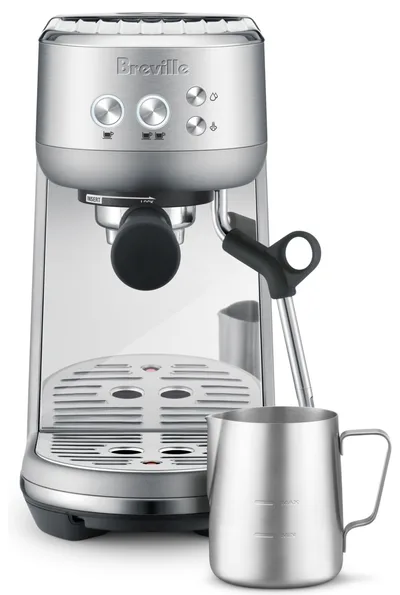
Breville the Bambino
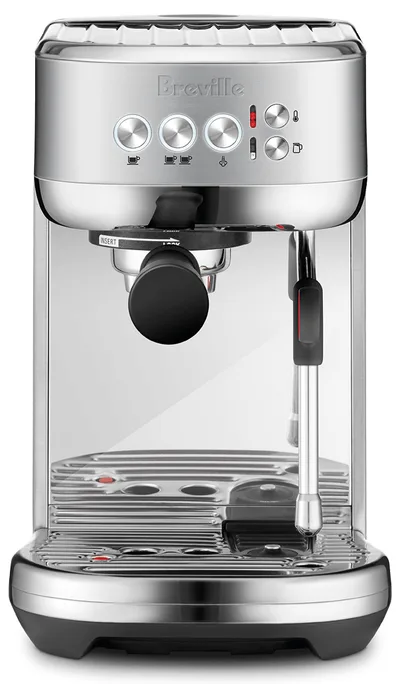
Breville the Bambino Plus
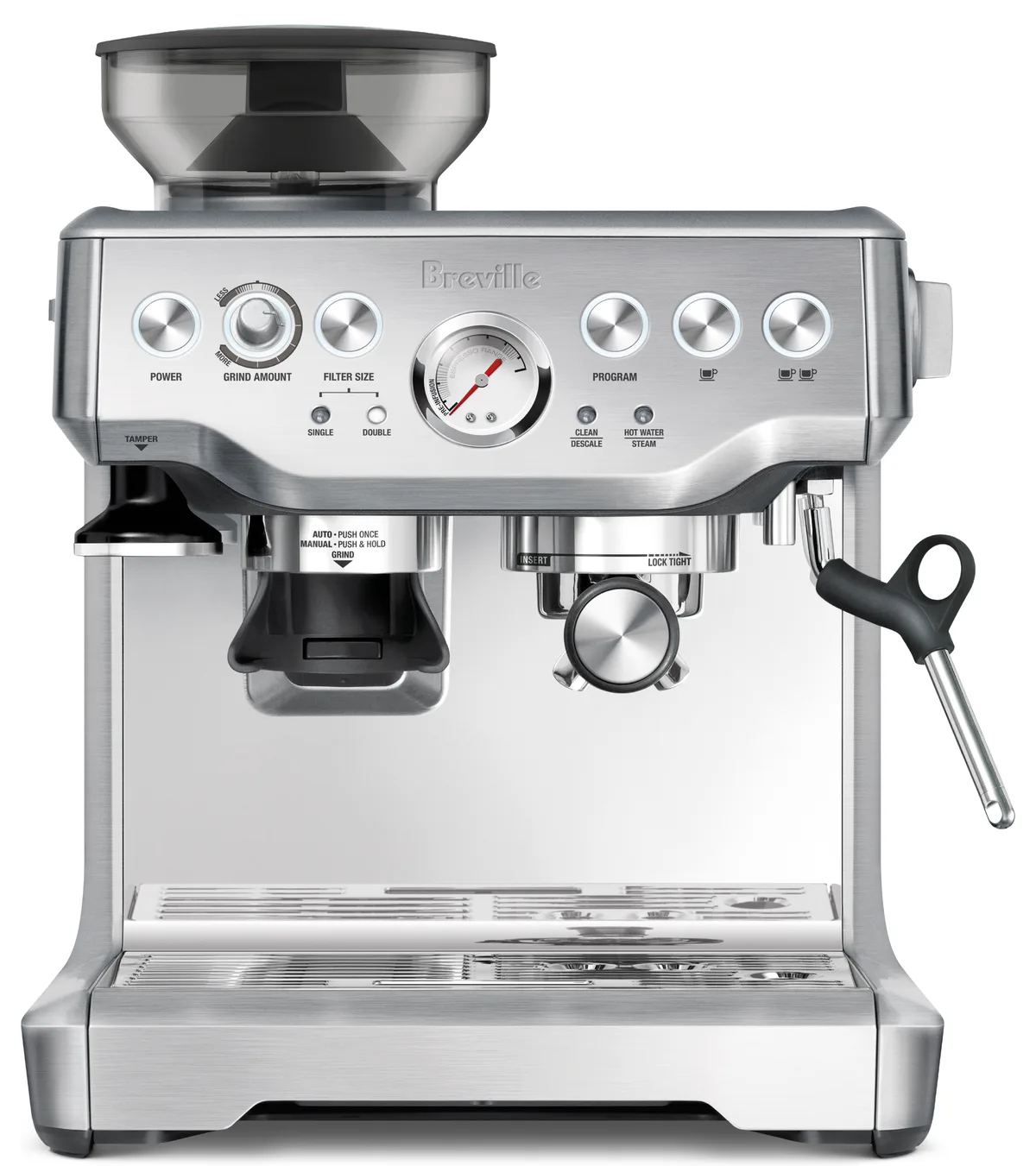
Breville the Barista Express
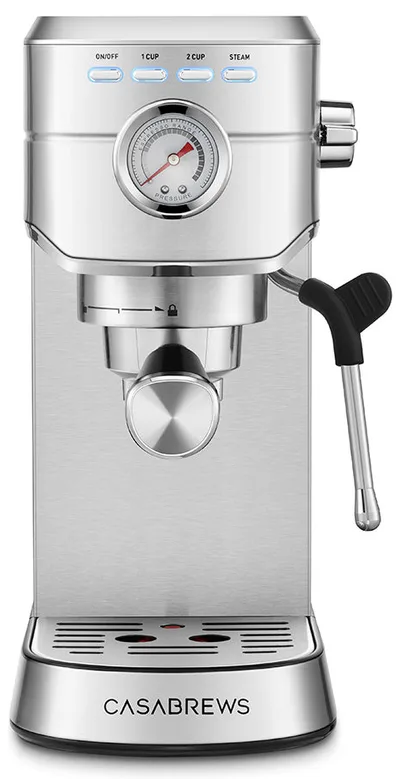
CASABREWS CM5418
Mentioned in: Which numbers do the makers start from?
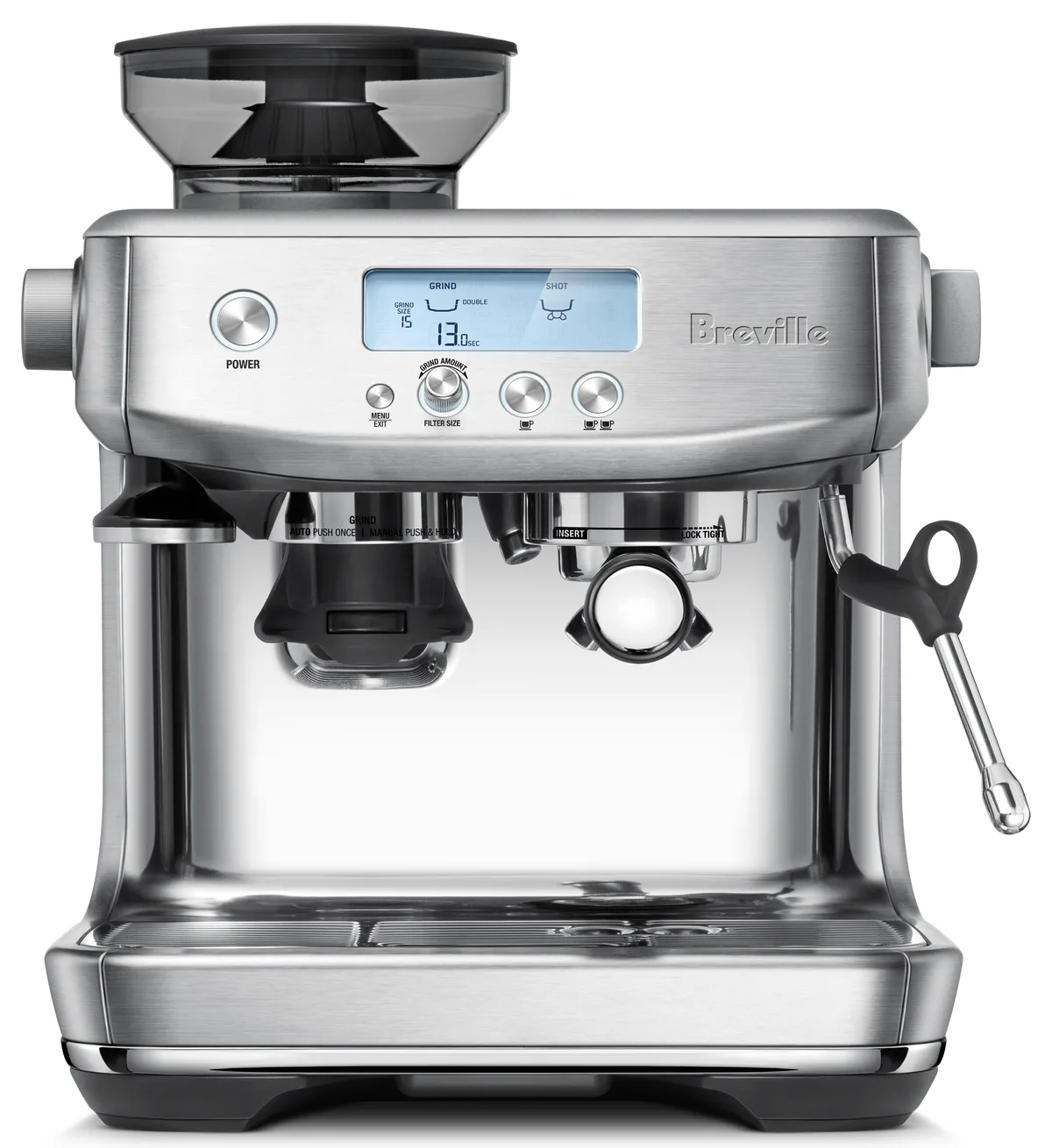
Breville the Barista Pro
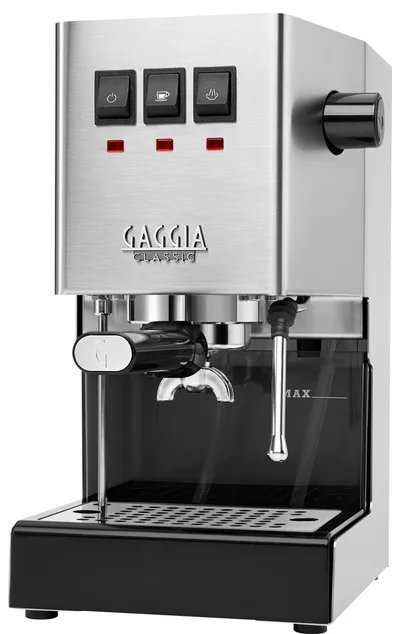
Gaggia Classic Pro E24
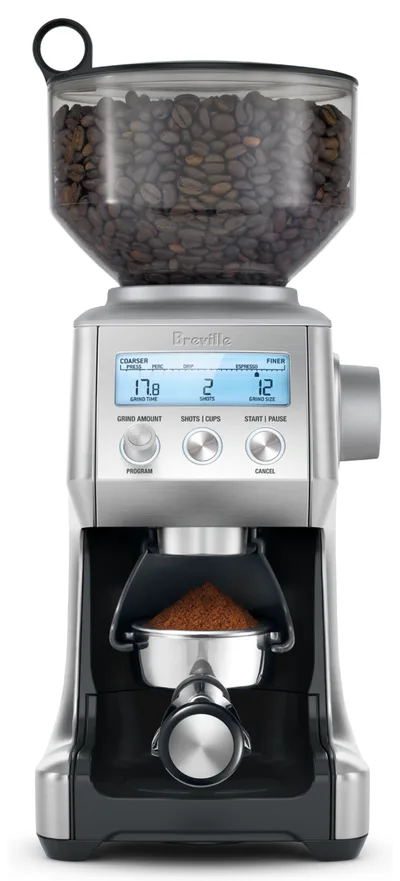
Breville the Smart Grinder Pro
Mentioned in: Can your basket hold that dose?
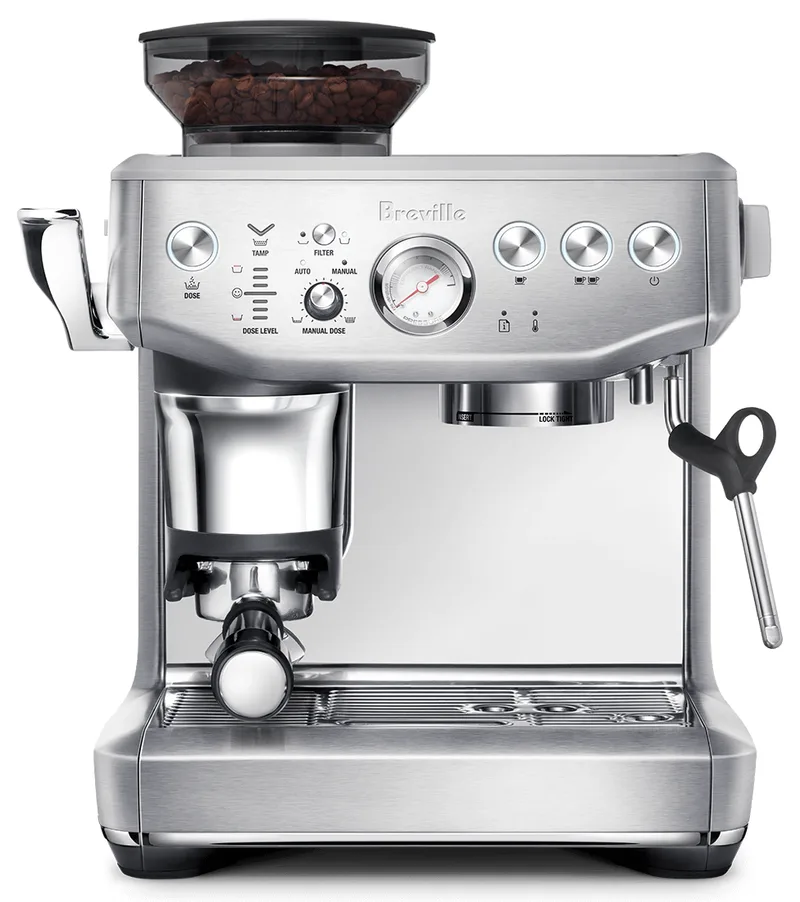
Breville the Barista Express Impress
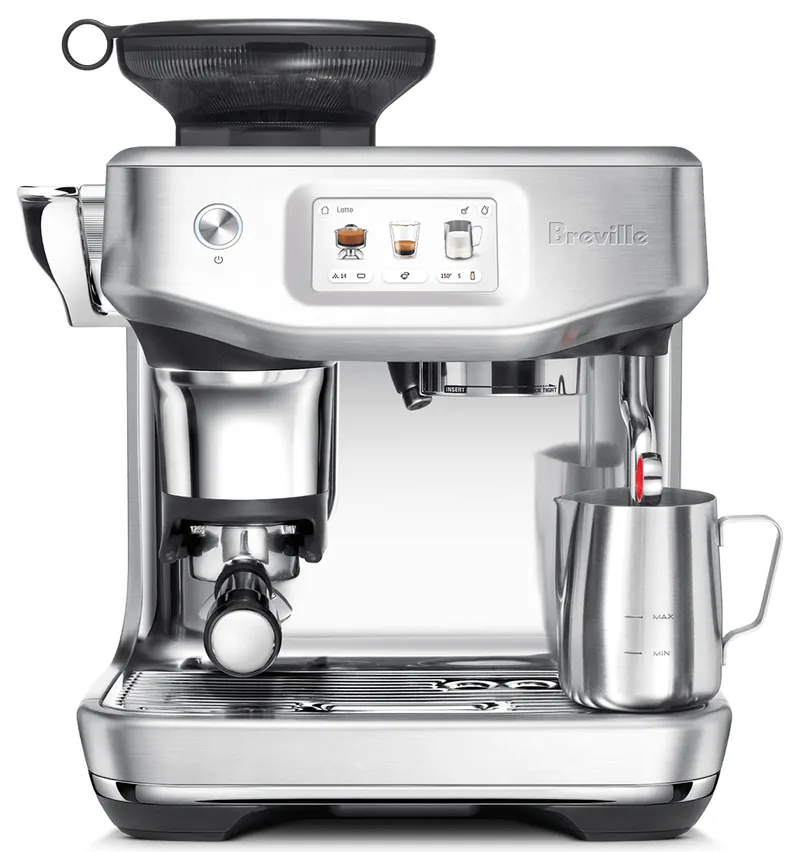
Breville the Barista Touch Impress
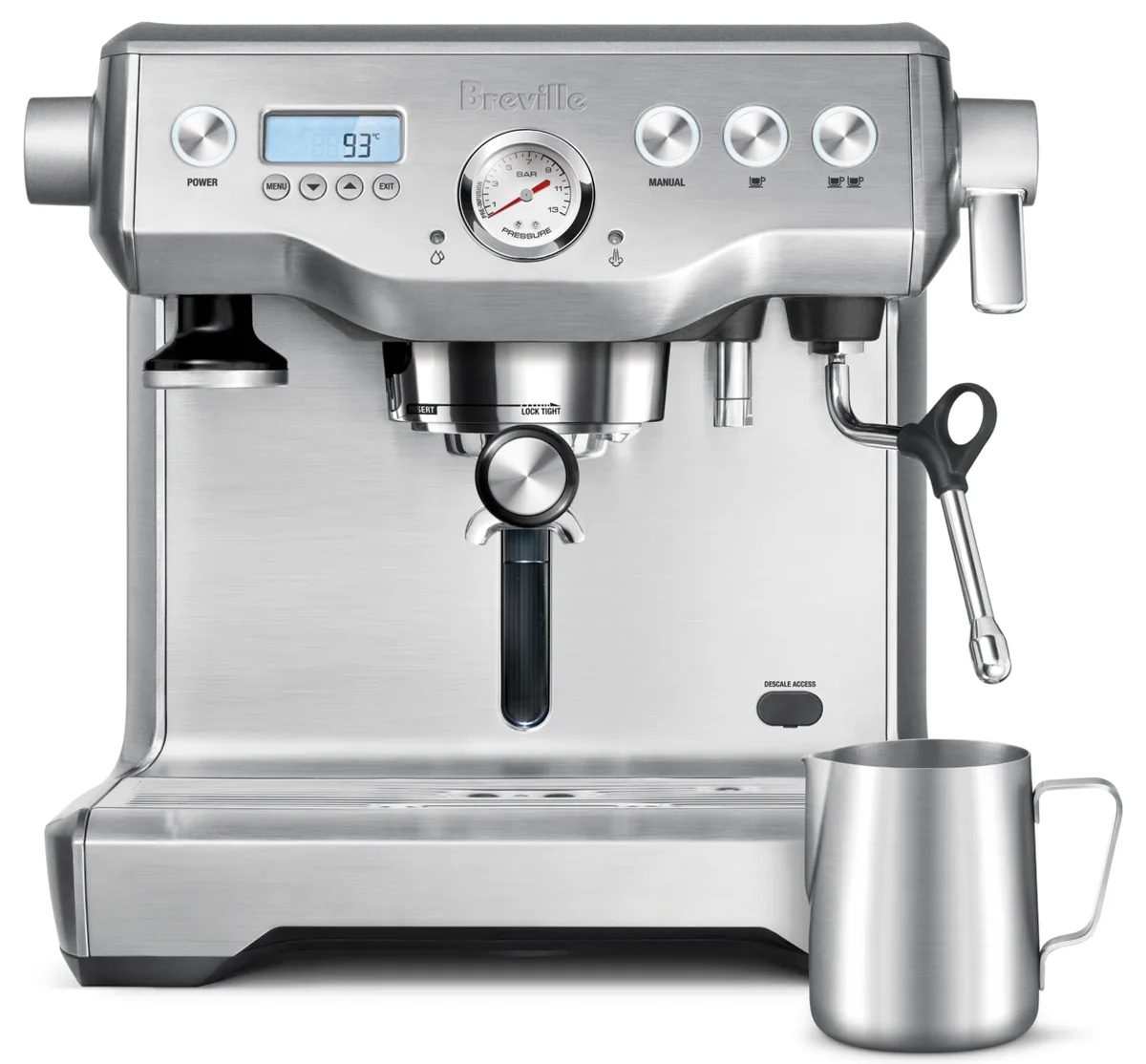
Breville the Dual Boiler
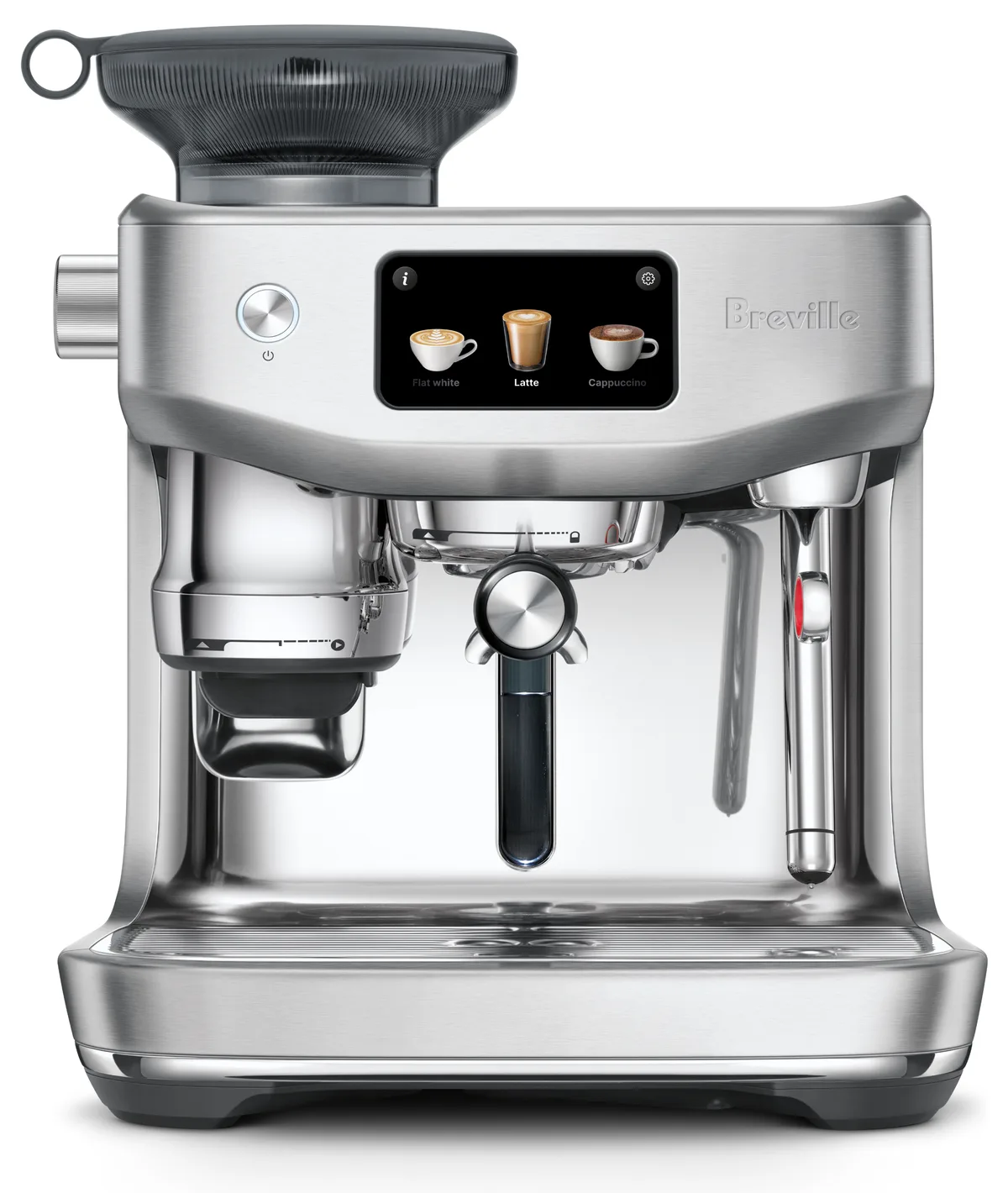
Breville the Oracle Jet
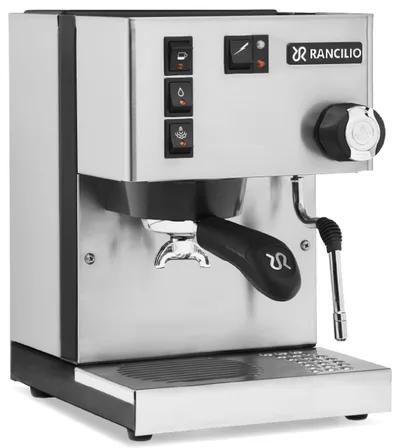
Rancilio Silvia
Sources
- How to dial in espresso: The beginner's guide — Breville US, accessed November 17, 2026
- Bambino Plus BES500 instruction book (US, Y25), pp. 11-12, 16 — Breville, accessed November 17, 2026
- Barista Express BES870 instruction book (US, X26), pp. 12-13, 17-20 — Breville, accessed November 17, 2026
- Smart Grinder Pro BCG820 instruction book (US, L26), pp. 9-10 — Breville, accessed November 17, 2026
- Brewing (Golden Rule, filter baskets, tamp pressure) — Gaggia North America, accessed November 17, 2026
- Gaggia Classic E24 operating instructions, USA (6420-010-18419, Rev 00), pp. 17-19, 23 — Gaggia, accessed November 17, 2026
- How to make the perfect espresso — De'Longhi UK, accessed November 17, 2026
- Espresso Guide — De'Longhi International, accessed November 17, 2026
- Dedica EC685 instructions for use, US (asset 167828; PDF created April 2017), sections 8.2, 15 — De'Longhi, accessed November 17, 2026
- CM5418 user manual, pp. 13-15 — CASABREWS, accessed November 17, 2026
- the Force Gauge Tamper 54 mm (BEA202WLW0ZNA1) — Breville US, accessed November 17, 2026
- A Guide To Dialling In Espresso — Perfect Daily Grind (Tasmin Grant, 2020-07-14, some information updated June 2024), accessed November 17, 2026
- Breville Barista Pro review — Home Grounds (Julia Bobak, updated 2026-02-28), accessed November 17, 2026