Espresso machines
15 bar vs 20 bar espresso machine: what the number means
What the bar number on the box measures, what each maker states for the coffee, and what to compare instead. Covers 16 machines and two lever presses.
Assessment based on manufacturer documentation and independent published sources; we have not physically tested these products.
By Syed Hyder Ali · Updated · How we research
In short
A 20 bar espresso machine is not better than a 15 bar one on that number. It is the pump's rating, not the pressure at the coffee. Breville is the maker here that states a pressure for the coffee: 9 bar extraction from a 15 bar pump. Gaggia lists a 9 bar valve setting. CASABREWS lists a 20 bar pump and no pressure for the coffee, so there the number tells you about the pump and nothing about the shot. A lever machine has no pump: Cafelat states 6-7 bar. Compare the basket, the pre-infusion and the gauge instead.
Worked example
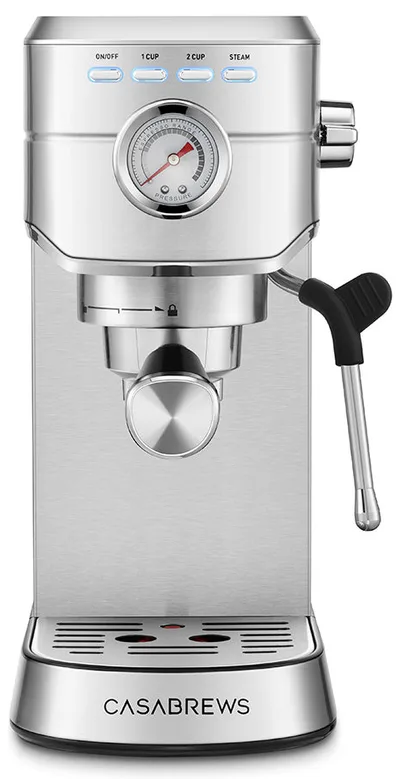
- CASABREWS CM5418 page
- Pump Pressure 20 Bar; no pressure for the coffee
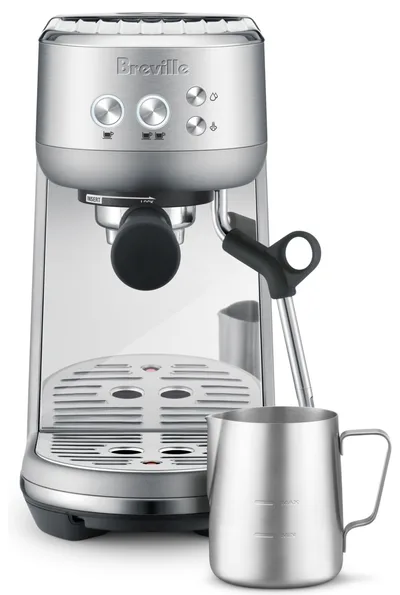
- Breville Bambino page
- 15 bar Italian pump; 9 bar extraction
- Which line is the pump's rating
- the bar figure beside "pump"
- Which line is for the coffee
- only the Breville's "9 bar extraction"
Pump rating (20 bar, 15 bar) says what the pump can do. Pressure for the coffee says what the shot sees: Bambino 9 bar, CASABREWS Not listed.
1 of 2 pages state a pressure for the coffee
Both pump ratings are higher than 9 bar, so neither rating tells you more about the coffee than the other.
Assumptions and exclusions
This assumes
- US models and US maker pages, read 2026-11-17
- Pressure means water pressure in bar; 1 bar is about 14.5 psi
- A pump rating is the figure the maker prints
This does not cover
- Baskets, grind, dose and taste
- Whether any gauge is accurate
- Steps for changing a valve setting
- Prices
Is a 20 bar espresso machine better than a 15 bar one?
No maker of the machines below states a pressure above 9 bar for the coffee, so a higher pump rating is not a promise of a higher pressure on your shot. Of the 16 machines in the table, seven Breville models state a 9 bar extraction, the Gaggia Classic Pro lists a 9 bar valve setting, and eight list only a pump rating. For those eight, including the 20 bar CASABREWS, the bar number is all the maker says, so it cannot tell you what reaches the coffee. The CASABREWS page lists "Pump Pressure 20 Bar" as a spec and makes no claim about what that does for the espresso.
Nine bar is about 130 psi. What that changes when you shop:
- Choosing between a Breville and a CASABREWS. Do not break the tie on 15 versus 20. Breville gives a number for the coffee; CASABREWS gives a gauge with zones and no number (see the gauge section). Compare those, the baskets and the pre-infusion.
- Buying a lever press. A Cafelat Robot or a Flair 58 Plus 2 has no pump, so there is no rating to compare. You push the lever and read the pressure yourself.
- Owning a 20 bar machine already. Nothing on its page says the rating is a fault. It is a pump spec; judge the machine by its basket and its gauge.
What does the bar number on the box measure?
The 15 or 20 bar on a listing is the pump's rating. Seattle Coffee Gear, a retailer, puts it this way: it is "a measurement of the maximum pressure the pump can produce when fully blocked, with zero water flowing". It adds that pressure at the coffee only builds when the coffee bed pushes back. So the rating is what the pump could do with the outlet shut, which is not a figure for a shot.
Makers print it as a pump spec, in their own words:
- Gaggia, Classic Pro: "15 Bar Italian-made Ulka Pump".
- CASABREWS, CM5418: "Pump Pressure 20 Bar" and "ULKA Quite Pump".
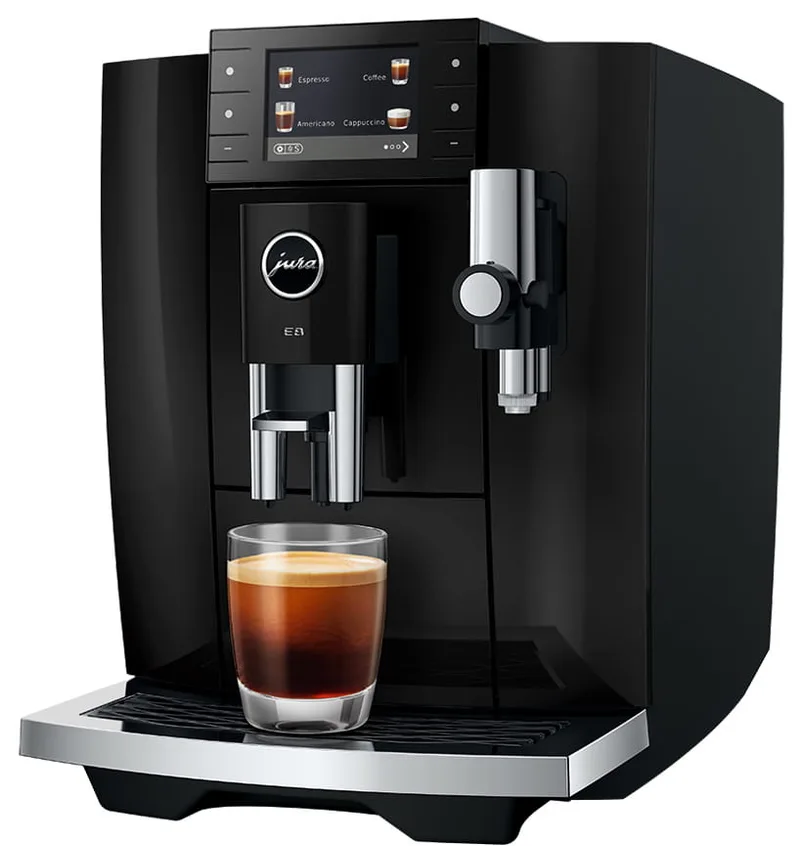
- JURA's E8 manual: "Pump pressure static, max. 15 bar".
- De'Longhi's Stilosa page: "The 15 bar pump pressure and durable stainless steel boiler ensure perfect extraction of espresso". That sentence names the pump rating and gives no pressure for the coffee.
- Nespresso's Essenza Mini page: "Pressure: 19 bar". The Vertuo pages for the Pop+ and Next list no pump rating.
Each is the pump's ceiling, not a figure for the coffee; the table below keeps the two apart.
How many bar does espresso need?
About 9 bar is the figure makers use, and it is a convention rather than a law. These are the statements, each attributed:
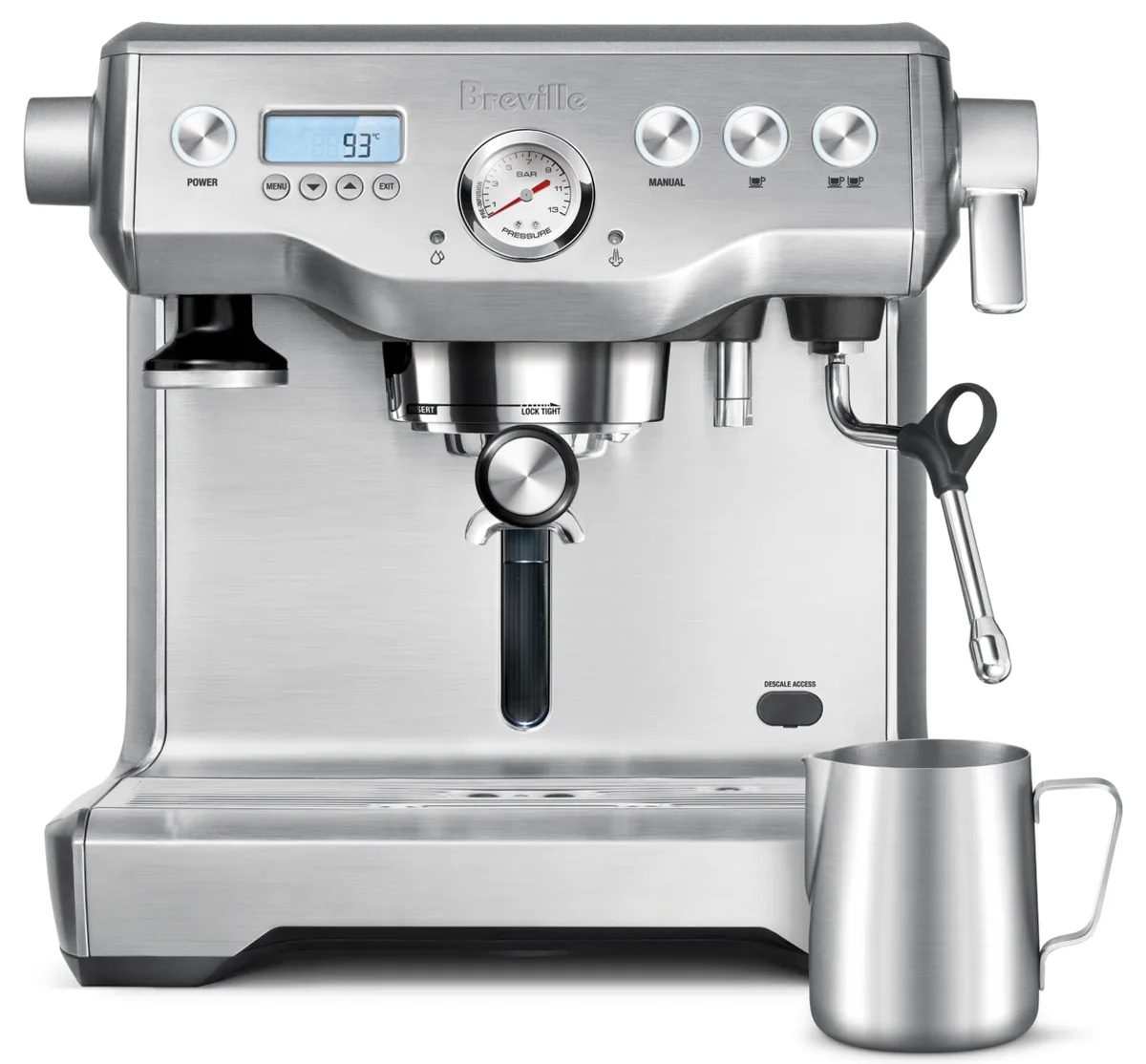
- Breville states "low pressure pre-infusion followed by 9 bar extraction", delivered "via our 15 bar Italian pump", on its Bambino, Bambino Plus, Barista Express, Barista Express Impress, Barista Pro, Barista Touch and Dual Boiler pages.
- Gaggia lists "OPV Calibration 9 Bar" beside its 15 bar pump on the Classic Pro page. That is a valve setting inside the machine, not a figure for the coffee.
- Seattle Coffee Gear says espresso is brewed at about 9 bar at the puck, and that a pump rated above 9 bar "has room to spare".
- Cafelat, which makes a lever machine, disagrees: "Ignore the magic 9 bar, that figure originally referred to the pump output pressure of a Faema E61 machine, when in actual fact the pressure at the group will be lower, maybe even 1-2 bar lower." It says traditional lever machines "as measured by us" typically extract at 6-7 bars, and advises keeping to a maximum of 8 bar on the Robot.
- Flair's manual for the 58 Plus 2 targets a 30-35 second shot "at 6-9 BAR using the pressure gauge as reference".
Read together: Breville states 9 bar for its electric-pump machines, Gaggia lists 9 bar as a valve setting, and a lever maker says to ignore the figure. For a buyer, a stated 9 bar is the maker's statement, not a measured result, and no maker here says that 9 bar is the best pressure for every coffee.
Which machines state a pressure for the coffee, and which list only a pump rating?
Seven of the 16 machines carry a stated pressure for the coffee, one carries a valve setting, and eight carry only the pump rating. Read the third column first: it is the one that can change a purchase.
| Model | Pump rating | Pressure for the coffee, as the maker states it | Pressure gauge |
|---|---|---|---|
The maker states a 9 bar extraction (7) | |||
Breville Bambino | 15 bar | 9 bar extraction | Not listed |
Breville Bambino Plus | 15 bar | 9 bar extraction | Not listed |
15 bar | 9 bar extraction | Listed: "Monitors espresso extraction pressure" | |
Breville Barista Express Impress | 15 bar | 9 bar extraction | Listed: "Monitors extraction pressure" |
15 bar | 9 bar extraction | Not listed | |
Breville Barista Touch | 15 bar | 9 bar extraction | Not listed |
15 bar | 9 bar extraction; an over-pressure valve limits the maximum | Listed: "Monitors extraction pressure" | |
The maker lists a valve setting, not a figure for the coffee (1) | |||
15 bar | "OPV Calibration 9 Bar" | Not listed | |
The maker lists only the pump rating (8) | |||
20 bar | Not listed | Listed: "Built-in Pressure Gauge", with zones and no numbers | |
Breville Barista Touch Impress | 15 bar | Not listed on its US page | Not listed |
15 bar | Not listed | Not listed | |
15 bar | Not listed | Not listed | |
15 bar | Not listed | Not listed | |
Gaggia Anima | 15 bar (manual titled Anima Deluxe) | Not listed | Not listed |
15 bar, "static, max." | Not listed | Not listed | |
Philips 2200 Series (EP2220/14) | 15 bar | Not listed | Not listed |
What the table means for a buyer. The seven Breville rows give you a stated 9 bar. The Barista Touch Impress, from the same maker, does not repeat it on its US page, so it sits with the pump-only rows. The Gaggia line is a hardware setting, so it tells you what the valve is calibrated to, not what a shot sees. For the eight pump-only rows the rating is the whole statement, which is why a CASABREWS at 20 bar and a Stilosa at 15 bar cannot be separated on pressure. Super-automatics such as the Magnifica Evo, the JURA E8 and the Philips 2200 print a pump rating and handle the shot for you; for them a pump rating is a specification, not a setting you adjust. The Gaggia Anima's store page lists no pump rating; the 15 bar comes from its manual. Both Bambino models state the same 9 bar; what separates them is in Breville Bambino vs Bambino Plus. Breville against De'Longhi, brand by brand, is on Breville vs De'Longhi espresso machines.
Not in the table: the Nespresso Essenza Mini lists 19 bar, and the Cafelat Robot and Flair 58 Plus 2 are lever presses with no pump. Three machines side by side on every listed spec: compare a Bambino, a CASABREWS and a Stilosa.
What does pre-infusion change?
Pre-infusion is a low-pressure start to the shot. Breville words it as applying "low water pressure at the start of the extraction to gently expand grinds for an even extraction", and the Dual Boiler's book says it "gradually increases water pressure". On the Dual Boiler you can program it: the menu sets a pre-infusion duration and a pre-infusion power. On the Bambino, you hold the 1 Cup or 2 Cup button for more than a second and the pump runs at pre-infusion pressure while you hold it, then you release to start the extraction.
CASABREWS' manual describes an Auto Pre-infusion that applies a small amount of water "at low pressure" for 3 seconds. Gaggia's Anima manual describes a pre-infusion cycle before the coffee pours. A lever machine shapes it by hand: Cafelat says lever machines are forgiving thanks to "gentle pre-infusion and the soft ramp up to full pressure".
So the consequence for a buyer is control. A programmable Dual Boiler lets you change it, a Bambino lets you extend it by holding the button, and the CASABREWS and Gaggia Anima manuals describe a set cycle. The makers describe what it is meant to do; none of them quantifies a taste result, so treat pre-infusion as a feature to compare, not as a guarantee.
Can you check the pressure your machine brews at?
Only on a machine with a gauge, and then only as the maker words it. Breville's Barista Express book describes its gauge as one that "monitors espresso extraction pressure", the Express Impress and Dual Boiler books say the same of "extraction pressure", and CASABREWS lists a built-in gauge. No other machine in the table lists one.
What the gauge reads is where makers differ. Cafelat says its Robot's patent-pending system "takes the pressure reading from inside the basket". Breville and CASABREWS do not say where theirs reads; their documents describe the gauge as monitoring extraction pressure and leave it there. Seattle Coffee Gear, a retailer, says many gauges measure at the pump or at another point before the puck, so they are "not 100% accurate and usually read a little high" and are best treated as "a very good approximation". For you, that means a gauge shows how a shot is behaving from one shot to the next; it is not proof of what the coffee is seeing.
Breville's Dual Boiler book gives the one maker check for a gauge that reads low. Under "Pressure gauge not reaching 9 bars" it lists coffee that is not tamped firmly enough, and then this test: place an empty dual-wall basket in the portafilter and press MANUAL. If the gauge reads over 5 bars, "the machine is working correctly" and you re-pull a shot with a finer grind, a bigger dose or a firmer tamp; if it reads below 5 bar, the book says to call Breville Consumer Support. For a gauge that does not move, it suggests a rubber disc in the one-cup basket with no coffee: "when the needle moves, then pressure gauge dial is working". CASABREWS' manual describes the gauge as an indicator with an under-extraction zone, an ideal zone and an over-extraction zone, and prints no bar figures.
The over-pressure valve (OPV) is the part that caps the pressure. The Dual Boiler's book says its valve "limits maximum pressure for optimal espresso flavor", and Gaggia lists its calibration as 9 bar. No page or book for the machines in the table gives steps for changing a valve setting, so none are given here. If a gauge reading looks wrong, the grind and dose steps are in how to dial in espresso.
What should you compare instead of the bar number?
- The basket. Whether a machine uses a pressurised or a single-wall basket decides how resistance builds at the coffee, and Breville ships both kinds. That is its own decision: pressurized vs non-pressurized baskets.
- What the maker states. A stated pressure for the coffee, a gauge and programmable pre-infusion (the Dual Boiler's book) are the features in the table that you can compare. A pump rating alone is not.
- The routine you will keep. If you want one button, a super-automatic or a capsule machine takes the pressure question away; espresso machine vs Nespresso covers the capsule route.
- The machine itself. Once the bar number is out of the way, the picks are in best espresso machines, and best espresso machines for beginners narrows them for a first machine.
Models this page mentions
We may earn a commission when you buy through links on this page.
In the order the page mentions them; not a ranking.
Mentioned in: What does the bar number on the box measure?
CASABREWS CM5418
JURA E8 (NAD) Automatic Coffee Machine
Mentioned in: How many bar does espresso need?
Breville the Bambino
Breville the Dual Boiler
Mentioned in: Which machines state a pressure for the coffee, and which list only a pump rating?
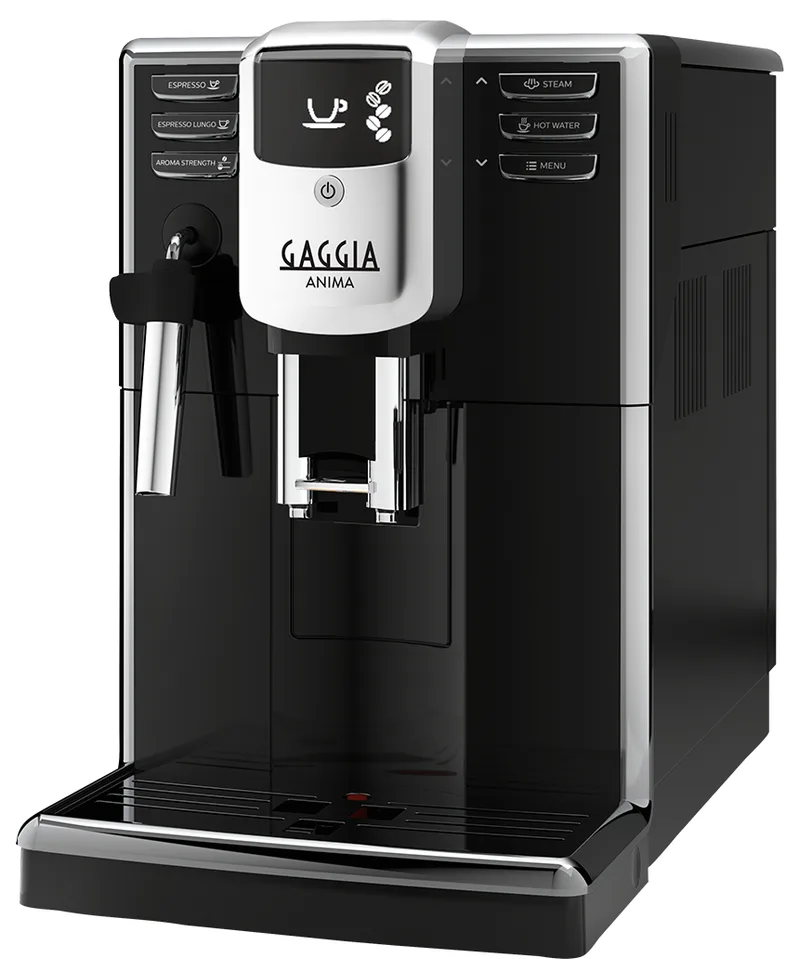
Gaggia Anima
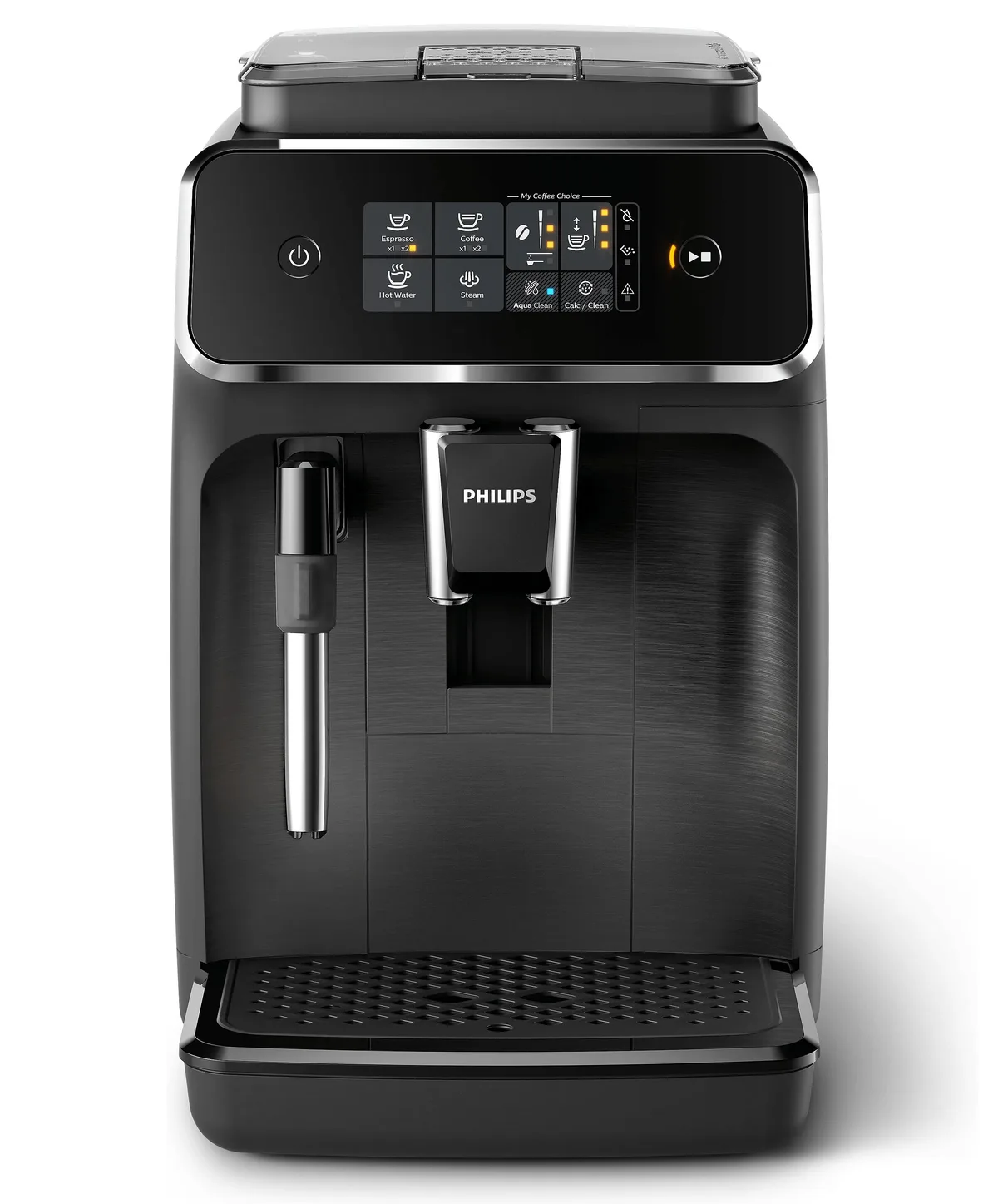
Philips 2200 Series Fully Automatic Espresso Machine with Classic Milk Frother
Frequently asked questions
Do Nespresso machines use 9 bar?
Nespresso's Essenza Mini page lists "Pressure: 19 bar", which is a pump rating, as on the machines above, and states no pressure for the coffee. The Vertuo Pop+ and Next pages list no pump rating at all. Which system fits your routine is covered in espresso machine vs Nespresso.
Sources
- the Bambino BES450, US product page — Breville, accessed November 17, 2026
- the Bambino Plus BES500, US product page — Breville, accessed November 17, 2026
- the Barista Express BES870, US product page — Breville, accessed November 17, 2026
- the Barista Express Impress BES876, US product page — Breville, accessed November 17, 2026
- the Barista Pro BES878, US product page — Breville, accessed November 17, 2026
- the Barista Touch BES880, US product page — Breville, accessed November 17, 2026
- the Barista Touch Impress BES881, US product page — Breville, accessed November 17, 2026
- the Dual Boiler BES920, US product page — Breville, accessed November 17, 2026
- Barista Express BES870 instruction book (US) — Breville, accessed November 17, 2026
- Barista Express Impress BES876 instruction book (US) — Breville, accessed November 17, 2026
- Dual Boiler BES920 instruction book (US) — Breville, accessed November 17, 2026
- Bambino BES450 instruction book (US) — Breville, accessed November 17, 2026
- Classic Pro, product page — Gaggia North America, accessed November 17, 2026
- Anima Deluxe instruction manual — Gaggia, accessed November 17, 2026
- CM5418, US product page — CASABREWS, accessed November 17, 2026
- CM5418 user manual — CASABREWS, accessed November 17, 2026
- Stilosa EC260BK, US product page — De'Longhi, accessed November 17, 2026
- Dedica Deluxe EC685M, US product page — De'Longhi, accessed November 17, 2026
- Magnifica Evo ECAM29084SB, US product page — De'Longhi, accessed November 17, 2026
- E8 (NAD) instruction manual — JURA, accessed November 17, 2026
- Series 2200 EP2220/14, US product page — Philips, accessed November 17, 2026
- Essenza Mini C30, US product page — Nespresso, accessed November 17, 2026
- Cafelat Robot, product page — Cafelat, accessed November 17, 2026
- Flair 58 Plus 2, US product page — Flair Espresso, accessed November 17, 2026
- Flair 58 Plus 2 manual — Flair Espresso, accessed November 17, 2026
- Espresso Machine Pressure Explained: Why 9 Bar Is the Number That Matters (and What "15 Bar" / "20 Bar" Really Mean) — Seattle Coffee Gear, accessed November 17, 2026